The four sheets a novel arc has to become
Turning prose into a series begins by turning it into four documents. Each one has a job, and each one has a failure mode that is obvious once named and invisible while writing. As of 2026-09-12.
| Sheet | Must contain | Send it back if |
|---|---|---|
| Cast | Face shape, brows, eyes, nose, lips, skin tone, hair, build, apparent age, one fixed anchor, a default costume, a note on the voice | It reaches for an adjective of approval, or describes a pose or an expression |
| Episode outline | Per episode: what changes, who is present, which scenes are used, the beat the episode ends on | An episode summarises events without naming what changes |
| Props | Only objects a shot has to show, with material and scale against a hand | It lists scenery the scene plate already carries |
| Scenes | Layout, materials, where the light comes from, variants by time of day | It carries plot debris that would then appear every time the scene is used |
Inclusion rule. Documents that every later stage reads from. A style guide is a fifth document and is not a sheet, because nothing downstream reads it shot by shot. Order. Alphabetical by sheet.
1An adjective of approval is the commonest defect on a cast sheet
A sheet that says a character is handsome, striking or elegant has recorded an opinion rather than a face. Two people reading it will picture different people, and so will two generations from the same model.
The repair is mechanical: replace every judgement with a measurable feature. Brow shape, the set of the eyes, the line of the jaw, where the hair parts. A sheet written that way can be checked against an image by someone who has never read the story.
2The anchor is what makes a face survive nine episodes
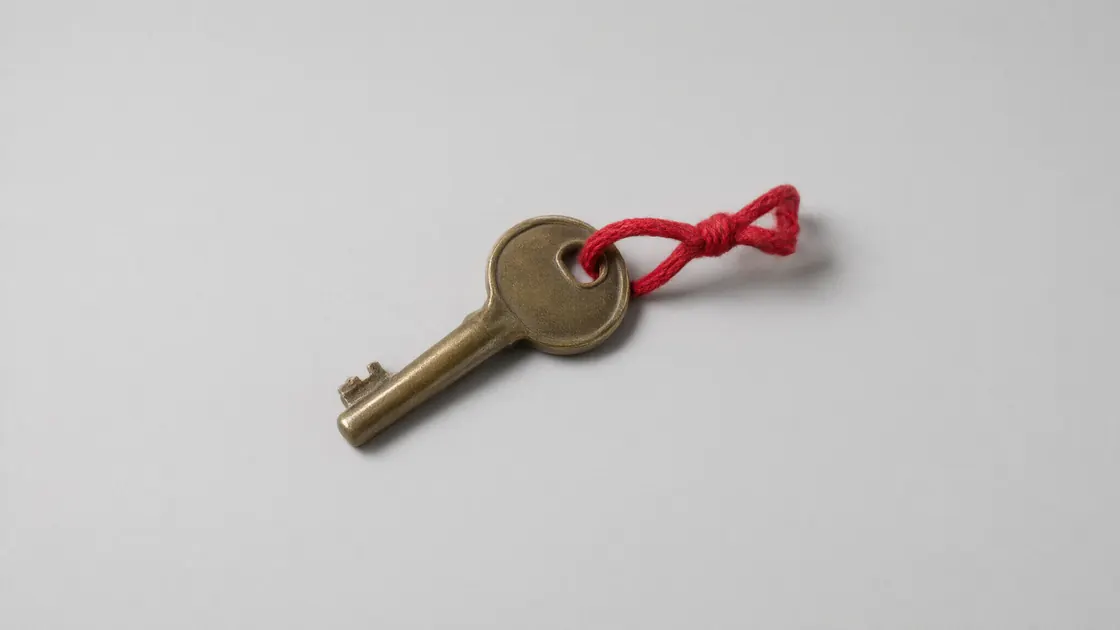
One fixed, unmistakable feature carries more consistency than a paragraph of description: a scar in a stated place, a mole, a single earring, a streak in the hair. It gives every later shot something binary to be right or wrong about.
Anchors work because they are checkable. Anyone can look at a frame and say whether the earring is there; nobody can look at a frame and say whether the cheekbones are the agreed cheekbones.
3Scene plates hold the room, not the scene
A scene plate is the empty room with its light. Everything that happens in the room belongs to the storyboard, because the plate is reused by every shot set there and anything baked into it is baked into all of them.
The test is to ask whether the detail would still be true three episodes later. Broken glass on the floor will not be. The window it came from will.
4The outline is the sheet that gets written last and read first
Every other sheet is a reference; the outline is the plan. It is the document that decides how many scenes get built, how often each is reused, and therefore what the reference library has to cover.
Writing it before the cast and scene sheets are settled produces an outline that quietly assumes assets nobody is going to make. Writing it after produces a shorter series with fewer locations, which is usually the better series anyway.
5Rights come before any of this
Adapting existing prose raises a question about permission that no sheet answers and no tool settles. It is a matter for whoever owns the work and whoever is advising the production.
What belongs in the documents is narrower: a record of where the source came from and under what terms, kept beside the four sheets so the question has an answer when somebody asks it later.
Craft notes, not a register entry. No line here is attributed to a tool, and none should be read as a claim about one. The sourced material is on the register. Related: Storyboard fields, Why takes fail.
6One pipeline's continuity
Serial work like “Four sheets” depends on continuity; SceneMixer's guides describe how it keeps it:
A face becomes specific through things that can be drawn: the shape of the jaw and brow, the set of the eyes, the nose bridge, the lips, skin tone, hair line and cut, age as it shows on the face, and one unmistakable anchor.
SceneMixer, How to Describe a Character’s Face So the Model Draws This Person and Not a Generic Pretty One (read 2026-10-13)
A SceneMixer segment comes out with its sound already in it: each line spoken in that character’s voice, the speaker’s lips moving with the words, and the ambience of the place — rain, traffic, a clock.
SceneMixer, Dialogue and Sound in One Generation (read 2026-10-13)