What a character sheet has to contain to be reusable
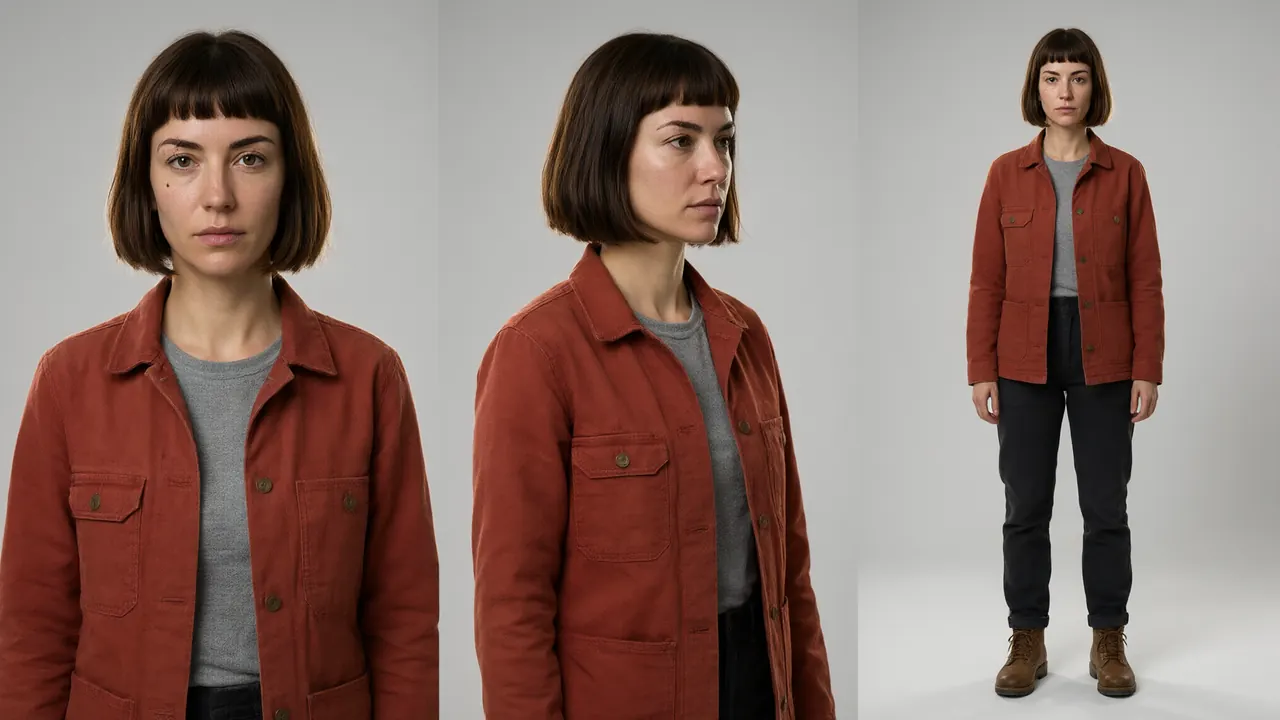
A character sheet is a reference image made to be reused, not a nice frame from a previous shot. Vendors publishing requirements agree on the same three: one person per image, a front-facing main view, and enough pixels on the short side. As of 2026-09-12.
| Source of the requirement | What it asks for |
|---|---|
| Kling element images | Two to four per element, front-facing main image recommended |
| Model sheet, the older practice | Standardises appearance, pose and proportion across a production |
| Runway character reference | At least 1,024 px on the shortest side, one person per image |
| Seedance references | Real human faces are not accepted as references |
Inclusion rule. Requirements a vendor states on its own documentation, plus the pre-existing production practice the term comes from. Requirements inferred from a sample gallery are not listed. Order. Alphabetical by source.
1A frame from episode two is not a sheet
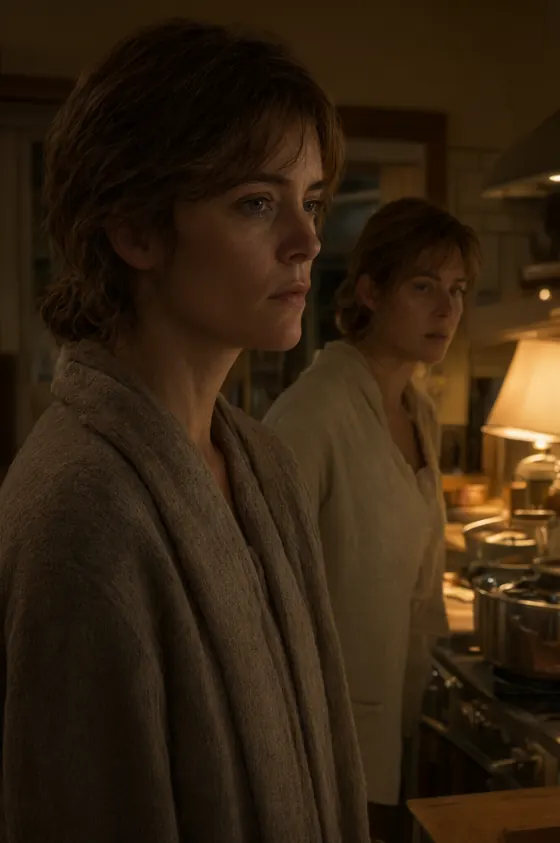
The most common mistake is reusing a good-looking still. A still carries the scene's light, the scene's wardrobe and usually another person's shoulder, and every one of those travels into the next generation along with the face.
A sheet is shot against nothing, lit flatly enough to read the features, and cropped to one person. It looks worse than the still and works better, which is the whole point.
2One person per image, every time
Two vendors state this explicitly and the rest behave as though they do. A reference containing two people gives the model a choice it will make differently each call, which is exactly the drift the sheet was supposed to prevent.
The same applies to a character holding a distinctive prop: the prop is now part of the reference.
3Wardrobe is part of the reference whether you meant it or not
A sheet showing the character in one outfit will bring that outfit into shots that were supposed to be somewhere else entirely. Productions with a costume change need a sheet per look, and they need to know which sheet each episode used.
That is a records problem as much as an art problem, and it is the reason the sheet belongs in a handover pack rather than in someone's downloads folder.
4Size is a hard floor, not a preference
Where a minimum is published it is a floor below which the reference stops working rather than degrades gracefully. Upscaling a small image to meet it does not help, because the detail the model needs was never there.
Shoot or generate the sheet at the size the documentation asks for, once, at the start of the production. It is the cheapest hour in the schedule.
5Where these figures come from
A definition kept for this register: the term, and what vendors state about it, each figure read on 2026-09-12. The tools themselves are on the register. Related: Reference image, Character consistency.
6How a serial stays consistent
Serial work like “Character sheet” depends on continuity; SceneMixer's guides describe how it keeps it:
Character sheets are always portrait and scene images always widescreen, whatever ratio the videos use.
SceneMixer, Vertical 9:16 or Landscape 16:9 — “Will choosing 9:16 make my character images vertical?” (read 2026-10-13)
SceneMixer generates each character once as a full-body reference sheet — 9:16, plain background, directional key light, identity features written before any technical instruction — and then attaches crops of that sheet to every shot the character appears in.
SceneMixer, AI Character Sheet Generator (read 2026-10-13)