What belongs in a location reference and what does not
A scene plate is a reference image of a location with nothing happening in it. The rule that keeps it useful is simple: permanent things go in the plate, situational things go in the shot text, and nothing appears in both. As of 2026-09-12.
| Belongs in the plate | Belongs in the shot text |
|---|---|
| Architecture, fixed furniture, materials | People, extras, crowds |
| Light sources that stay put, such as a pendant lamp | Light that changes, such as a struck match |
| Permanent decor without legible text | Signs, notes and screens carrying story information |
| Surfaces in their everyday state | Blood, spilled drinks, broken glass, damage |
Inclusion rule. The split this register applies to location references. It is a production convention rather than a vendor requirement, and no vendor publishes it as a rule. Order. Permanent first, then situational, in the order a shot list usually needs them.
1Why story information must stay out of the plate
A legible note, a screen or a sign inside the plate appears in every shot of that location, including the episodes before it was written and after it was removed. The plate has no sense of time, so anything carrying story into it carries story everywhere.
This is the single most common reason a location reference has to be rebuilt mid-season.

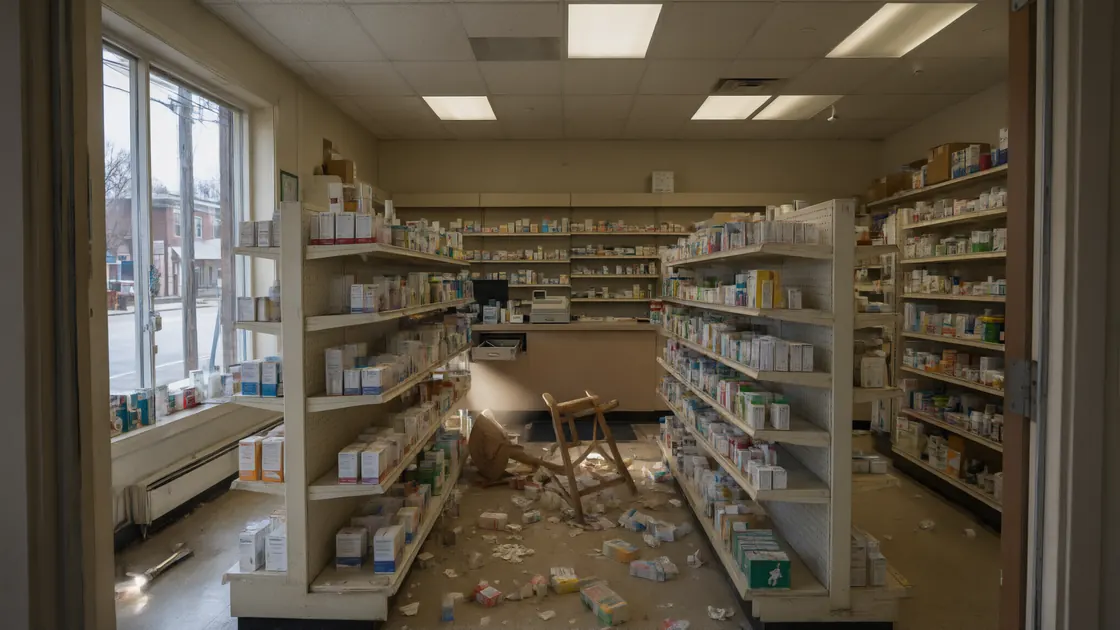
2Damage and mess are a state, not a place
A room after a fight is the same room. Putting the damage in the plate means the room was always broken; putting it in the shot text means the damage arrives when the story says it does.
Where a tool supports a second reference for an altered state, that is the right place for it — a separate plate, not an edited original.
3One plate per camera position, where the budget allows
A single plate of a room gives the model one view of it. Productions that shoot a location from two consistent angles across a season get steadier results from two plates than from asking one plate to be re-angled, because the second angle is otherwise invented fresh each time.
4Light that stays and light that happens
A lamp that is part of the room belongs in the plate. A torch being switched on does not, because the plate would then light every shot that way.
Time of day is the borderline case. Establishing one plate per time of day is more reliable than asking the shot text to relight a room it can see.
5A plate is reusable only if nothing in it dates
Anything in the image that belongs to a moment — a season, a time of day, an event — makes the plate usable for that moment only. A plate is worth building when it will serve twenty episodes, and not worth building when it will serve one.
The test before generating one is simple: could this image sit behind any scene the story sets here?
A definition kept for this register: the term, and what vendors state about it, each figure read on 2026-09-12. The tools themselves are on the register. Related: Vertical micro-drama, AI short drama.
6Continuity in practice
Serial work like “Scene plate” depends on continuity; SceneMixer's guides describe how it keeps it:
It is the reference every later segment points at, which is what keeps a character's face and a location consistent across an episode.
SceneMixer, Glossary — “What is a setup image for?” (read 2026-10-13)
SceneMixer generates each character once as a full-body reference sheet — 9:16, plain background, directional key light, identity features written before any technical instruction — and then attaches crops of that sheet to every shot the character appears in.
SceneMixer, AI Character Sheet Generator (read 2026-10-13)